If you’re a California homeowner searching for a smarter way to heat and cool your home, you’ve likely noticed the growing shift toward heat pumps. These systems are quickly becoming the preferred HVAC solution across the state, driven by rising energy costs, stricter environmental standards, and the demand for year-round comfort.
We’ve seen this transition accelerate as more homeowners prioritize energy efficiency and long-term savings. As you continue reading, you’ll gain a deeper understanding of how heat pumps work, why they’re ideal for California’s climate, and how they can help you save money while improving comfort. By the end, you’ll be better equipped to decide whether this system is the right fit for your home.
How Heat Pumps Work and Why They Fit California’s Climate
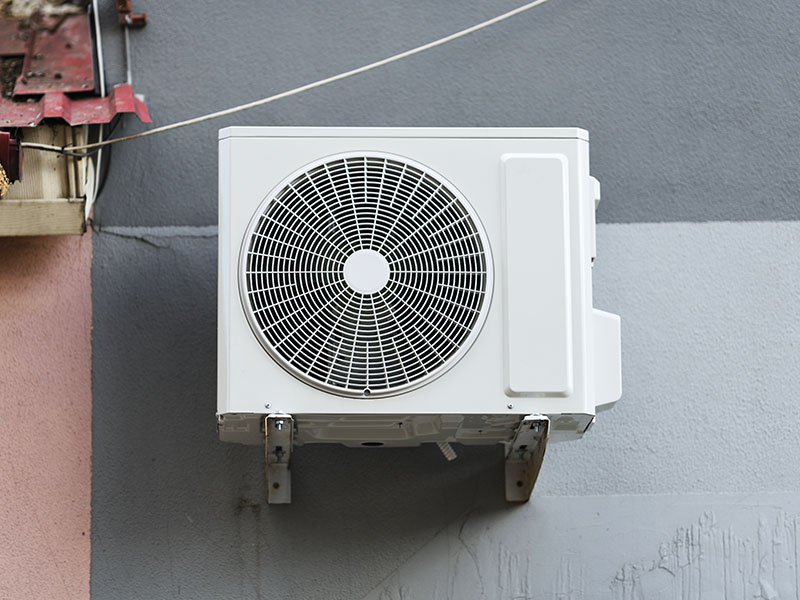
To understand why heat pumps are becoming so popular, you need to look at how they operate. Unlike traditional HVAC systems that generate heat, heat pumps transfer heat. This process allows them to operate far more efficiently than conventional systems.
During cooler months, your heat pump pulls heat from the outdoor air and transfers it inside your home. Even when temperatures drop, there is still usable heat energy in the air. When the weather warms up, the system reverses direction and removes heat from inside your home, releasing it outdoors.
This dual functionality makes heat pumps especially well-suited for California’s moderate climate. You don’t typically deal with extreme winter conditions, so a heat pump can comfortably handle both heating and cooling without needing a secondary system.
You also benefit from consistent indoor comfort. Many modern heat pumps use variable-speed technology, which allows them to adjust output gradually instead of constantly turning on and off. This creates a more stable indoor temperature and reduces energy waste.
Key advantages of how heat pumps operate include:
- Year-round heating and cooling in one system
- Efficient heat transfer instead of energy-intensive generation
- Better temperature consistency throughout your home
- Reduced wear and tear from fewer on-off cycles
When you combine these benefits with California’s climate conditions, it becomes clear why heat pumps are such a practical and effective solution.
Energy Efficiency and Cost Savings for Homeowners
Energy efficiency is one of the main reasons you might consider switching to a heat pump. These systems are designed to deliver more output while using less energy, which directly impacts your monthly utility costs.
Instead of producing heat, heat pumps move it. This allows them to generate multiple units of heating or cooling for every unit of electricity consumed. Over time, that efficiency translates into meaningful savings, especially in a state where energy costs can be high.
You’ll also notice a difference in how your system runs. Heat pumps often operate at lower speeds for longer periods, which helps maintain consistent temperatures while avoiding sudden spikes in energy usage.
Beyond energy savings, you can expect reduced maintenance costs. Since you’re using one system for both heating and cooling, there are fewer components to maintain compared to separate systems.
Here are some of the most impactful ways heat pumps help you save:
- Lower monthly energy bills due to higher efficiency
- Reduced maintenance compared to dual-system setups
- Fewer repairs from consistent, low-speed operation
- Long-term savings that offset initial installation costs
If you’re focused on improving efficiency without sacrificing comfort, a heat pump offers a strong return on investment that continues to benefit you over time.
Environmental Benefits and California’s Clean Energy Goals
California continues to push toward a cleaner, more sustainable future, and your HVAC system plays a role in that effort. Heat pumps align with these goals by reducing reliance on fossil fuels and lowering carbon emissions.
Traditional heating systems often burn natural gas, which releases emissions into the environment. Heat pumps operate using electricity and do not produce direct emissions inside your home. This makes them a cleaner alternative for both heating and cooling.
As the state continues to expand its renewable energy infrastructure, the environmental benefits of heat pumps become even greater. When your system runs on cleaner electricity, your overall carbon footprint decreases even further.
You may also notice improvements in indoor air quality. Since there is no combustion involved, fewer pollutants are introduced into your living space.
Environmental benefits of heat pumps include:
- No direct carbon emissions during operation
- Reduced dependence on fossil fuels
- Compatibility with renewable energy sources like solar
- Cleaner indoor air for you and your family
Choosing a heat pump allows you to contribute to California’s environmental goals while still enjoying reliable, modern comfort in your home.
Incentives and Rebates Available in California
One of the biggest advantages of installing a heat pump in California is access to financial incentives. These programs are designed to encourage homeowners like you to invest in energy-efficient systems.
You may qualify for a combination of federal, state, and local rebates that significantly reduce your upfront costs. These incentives often depend on system efficiency ratings, your household income, and your location.
Utility companies also offer rebate programs for upgrading to high-efficiency HVAC systems. When combined, these savings can make a noticeable difference in your overall investment.
Understanding what is available to you is key to maximizing these benefits. Working with an experienced HVAC provider helps ensure your system meets all eligibility requirements.
Common types of incentives you may qualify for include:
- Federal tax credits for energy-efficient upgrades
- State-sponsored rebate programs
- Utility company incentives
- Income-based assistance programs
Taking advantage of these opportunities can shorten your payback period and make switching to a heat pump a financially smart decision.
Installation Considerations and Home Readiness
Before installing a heat pump, you should have your home evaluated for readiness to ensure optimal performance. Proper preparation can make a significant difference in efficiency, comfort, and long-term reliability.
Insulation is one of the most important factors. A well-insulated home retains conditioned air more effectively, allowing your heat pump to operate efficiently. If your insulation is outdated, upgrading it can enhance overall performance.
Ductwork also plays a major role. Leaky or poorly designed ducts can reduce airflow and limit system effectiveness. In homes without ductwork, ductless mini-split systems offer a flexible alternative.
System sizing is another critical element. An improperly sized unit can lead to uneven temperatures and unnecessary strain on the system. A professional load calculation ensures the system matches your home’s needs.
Before installation, you should evaluate:
- The condition and quality of your insulation
- Existing ductwork and potential air leaks
- Electrical system capacity for supporting the unit
- Proper system sizing based on your home’s layout
Addressing these factors upfront helps you get the most out of your heat pump and ensures consistent comfort throughout your home.
Common Myths and Real-World Performance
Understanding the facts about heat pumps can help you make a more informed decision when it comes to upgrading your home. Let’s explore some of the misconceptions you may have heard about these modern HVAC systems.
Heat Pumps Can’t Provide Enough Comfort
A common concern is whether heat pumps can match the comfort level of traditional systems. You want steady, reliable temperatures throughout your home, and anything less can be frustrating.
Modern heat pumps are designed with variable-speed compressors that adjust output gradually instead of cycling on and off. This allows your system to maintain a more consistent indoor temperature with fewer fluctuations. As a result, you experience a more even and comfortable environment throughout the day and night.
Heat Pumps Are Too Expensive
Upfront cost is often a sticking point when considering a heat pump. Installation can be higher than traditional systems, which may cause hesitation if you’re focused only on initial pricing.
However, when you look at the bigger picture, the long-term value becomes clear. Energy savings, reduced maintenance costs, and available rebates all contribute to offsetting the initial investment. Over time, you’re likely to spend less on operating and maintaining your system compared to older, less efficient equipment.
Heat Pumps Are Noisy
Noise is another concern that can influence your decision. You want your HVAC system to operate in the background without disrupting your home environment.
Modern heat pumps are engineered for quiet performance. Improved design and technology allow these systems to run at lower noise levels than many traditional units. Whether the system is operating indoors or outdoors, you can expect a quieter experience that supports a more comfortable living space.
When you look at real-world performance rather than outdated assumptions, heat pumps consistently prove to be efficient, reliable, and well-suited for today’s homeowners.
Ready to Upgrade Your Comfort? Make the Switch to a Heat Pump System
Heat pumps have become California’s top HVAC choice because they deliver exactly what you need as a homeowner: energy efficiency, reliable performance, and long-term savings. When you factor in available rebates and incentives, upgrading becomes even more practical and cost-effective.
Mountain House Mechanical focuses on helping you find the best solution for your home, your budget, and your long-term goals. Our experience with heat pump installation and service means your system is designed and installed for maximum performance from day one.
Take the next step toward a more efficient and comfortable home by exploring your heat pump options. Reach out today, and we’ll get you scheduled for a consultation.