Replacing your HVAC system is a major home investment, and the number of options can make the process feel more complicated than it needs to be. You may be comparing heat pumps with traditional air conditioning, looking at efficiency ratings, or trying to decide which features are actually worth paying for.
The best choice for your North Bay home comes down to your comfort priorities, energy goals, budget, and the needs of the property itself. Focusing on those factors can help you narrow your options without getting lost in equipment specifications.
Start With What You Want Your New HVAC System to Improve
Before you compare equipment models, think about what isn’t working well with your current setup. Maybe certain rooms are consistently warmer or cooler than others, your equipment has become noisy, or your energy use has increased. You may also be dealing with frequent repairs or planning a remodel that changes your heating and cooling needs.
Identifying those concerns gives your HVAC contractor a clearer picture of what you want from the replacement.
Your priorities may include:
- More consistent temperatures
- Lower energy use
- Quieter operation
- Better overall comfort
- Improved control between areas
- Fewer repair concerns
Replacing aging equipment also gives you an opportunity to address comfort problems instead of automatically recreating the same setup.
Compare HVAC System Types Before Comparing Models
Once you know what you want to improve, consider which type of equipment fits your home. Your existing setup, available utilities, ductwork, and preferred approach to heating and cooling can all influence the decision.
Looking at the main system types first can make it easier to narrow your choices before comparing individual models.
Central Air Conditioning and Furnace Systems
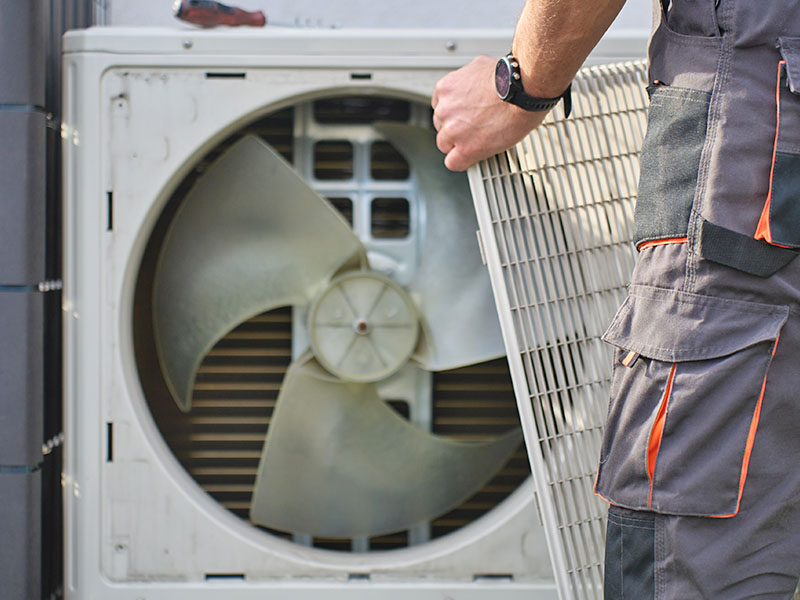
A traditional split system pairs an outdoor air conditioner with an indoor furnace. If your home already has usable ductwork and you’re satisfied with this arrangement, replacing the existing equipment with a modern version may be a practical option.
You can continue using your current duct system while keeping separate equipment for heating and cooling.
Heat Pumps
A heat pump provides heating and cooling with one system by transferring heat between your home and the outdoors.
It may be worth considering when replacing an older air conditioner or another central system. Whether it’s the right fit depends on factors such as your home, electrical capacity, and comfort preferences.
Ductless Mini-Split Systems
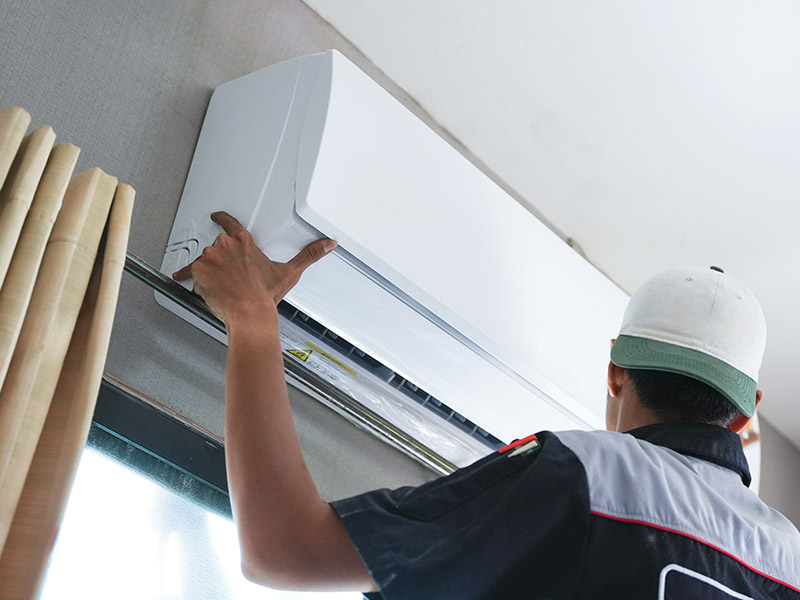
Ductless mini-splits are useful when traditional ductwork isn’t practical or when individual areas need their own temperature control. They can work well for additions, converted garages, older homes without ducts, and rooms with different comfort needs.
Depending on your home, ductless equipment may serve one space or several areas.
Get the HVAC System Sizing Right
Choosing the correct capacity is essential. Bigger equipment doesn’t automatically provide better comfort, and both oversized and undersized units can create performance problems.
An oversized air conditioner may cool your home quickly and shut off after short cycles. An undersized unit may run for extended periods while struggling to maintain the temperature you want.
Your Home Determines the Right Capacity
Sizing should reflect your home rather than relying only on square footage or the capacity of the equipment being replaced. A professional load calculation considers the characteristics that affect heating and cooling demand.
Those factors can include:
- Home size and layout
- Insulation
- Window characteristics
- Sun exposure
- Air leakage
- Ceiling heights
Renovations can also change what your home requires. Added insulation, replacement windows, remodeled spaces, and additions may all affect the appropriate equipment size.
Mountain House Mechanical can assess these factors when helping you select equipment suited to your home’s heating and cooling needs.
Consider Energy Efficiency and Long-Term Operating Costs
A more efficient HVAC system can reduce the energy required to heat and cool your home. That can be particularly valuable if you’re replacing older equipment or use heating and cooling frequently.
Efficiency ratings give you a way to compare options, but you don’t need to make your decision based on the highest number available. Consider how much energy the equipment is designed to use and whether the potential savings justify the upfront cost.
Sizing, duct condition, thermostat settings, and everyday use can also affect energy consumption. Looking at efficiency alongside your budget can help you choose equipment that offers worthwhile long-term value.
Evaluate Your Ductwork Before Replacing the Equipment
If your new system will use existing ductwork, the condition of those ducts deserves attention. Damaged, poorly sized, disconnected, or restrictive ducts can contribute to weak airflow and uneven temperatures.
Signs such as noisy vents, low airflow, or rooms that remain noticeably warmer or cooler than others can point to an air-distribution problem. In those cases, replacing the heating or cooling equipment alone may not resolve what you’re experiencing.
Checking the ductwork as part of the replacement process helps identify issues that could limit the results of your investment.
Focus on Installation Quality
Even good equipment can disappoint if it isn’t installed correctly. Proper installation helps ensure the components are set up to operate as intended in your home.
Installation quality can influence:
- Airflow
- Comfort
- Energy use
- Equipment performance
- Long-term reliability
Your contractor should account for the equipment requirements and any related conditions that need attention during the project. That makes the quality of the installation an important consideration alongside the brand, model, and price of the equipment itself.
Choose the Right HVAC System for Your North Bay Home
Choosing new HVAC equipment doesn’t have to come down to comparing endless technical specifications. Start with what you want to improve, consider the type and size of equipment that suits your home, weigh energy efficiency against cost, and make sure the ductwork and installation receive proper attention.
Mountain House Mechanical helps North Bay homeowners sort through those choices and identify options that fit their comfort needs and budget. We’ll help you understand the differences that matter so you can make an informed decision without making the process more complicated than necessary.
If you’re considering HVAC replacement for your North Bay home, contact Mountain House Mechanical to discuss your options and find the right fit for your space.