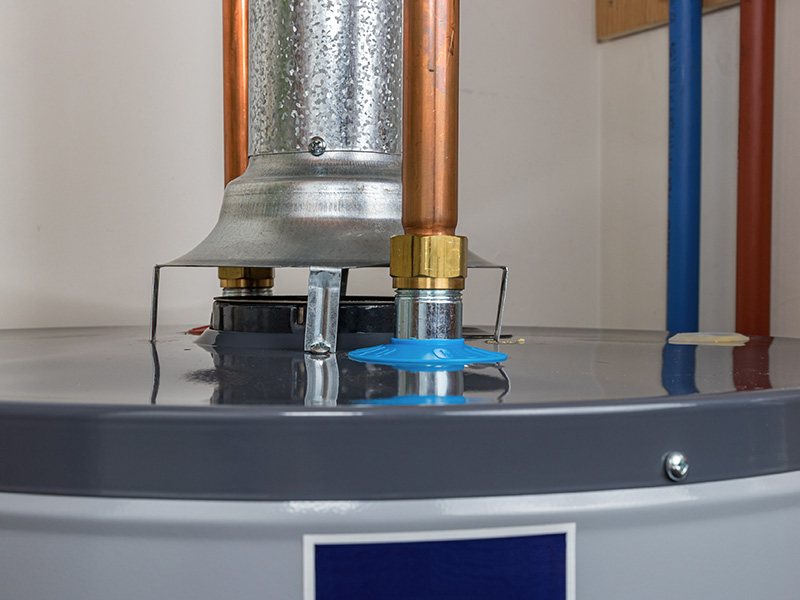
Your water heater usually works quietly in the background, so an unfamiliar popping, rumbling, humming, or banging sound can get your attention quickly. The harder part is knowing whether you’re hearing normal operation or the beginning of a problem.
The answer depends on the type of water heater you have, when the sound occurs, and whether anything else has changed. Some noises are part of normal heating and water movement. Others can point to sediment buildup, plumbing movement, worn components, or another issue that deserves professional attention. Knowing what to listen for can help you respond without guessing.
Not Every Water Heater Noise Means Something Is Wrong
Water heaters aren’t completely silent. Water moving through pipes, metal expanding as temperatures change, burners or heating elements cycling, and mechanical components starting and stopping can all create sound during normal operation.
What matters most is whether the noise is new, unusually loud, persistent, or accompanied by another change. A soft click that has always happened when the unit starts is different from a water heater that suddenly begins banging while your hot-water supply becomes less consistent.
Pay Attention to the Pattern
Instead of trying to diagnose your water heater from a single sound, notice when the noise begins, how long it lasts, and what the system is doing at the time. Does it happen while water is heating, when a faucet opens, or after someone finishes using hot water?
That context can be more useful than trying to describe the sound perfectly. It also gives your technician a clearer starting point when evaluating the equipment.
Popping or Rumbling Can Point to Sediment Buildup
Popping and rumbling are common complaints with traditional tank water heaters. Over time, minerals and sediment can settle inside the tank. As the water heater operates, water and heat interacting with those deposits can create noticeable sounds.
Sediment can also affect the way heat moves through the tank. If your water heater has become noticeably louder and you’ve also seen changes in hot-water availability or system performance, it’s worth having the unit evaluated.
Avoid treating this as a trial-and-error DIY project. Servicing a tank can involve very hot water, pressurized plumbing, electrical components, or gas equipment depending on the system. A professional can determine whether sediment is actually responsible for the noise and recommend the appropriate next step.
Humming or Buzzing May Be Part of Normal Operation
A low hum doesn’t automatically mean your water heater is failing. Electric equipment can produce operating noise while heating, and heat pump water heaters naturally sound different from conventional tank units because they use a fan and compressor.
The important question is whether the sound has changed. A familiar, steady hum is different from a new vibration, louder buzzing, or rough mechanical noise that appears alongside reduced hot-water performance.
If you have a heat pump water heater, compare what you’re hearing with the system’s normal sound rather than expecting complete silence. A noticeable change in how the unit sounds or operates is more useful information than volume alone.
Banging or Knocking May Be Coming From the Plumbing
A loud bang can make it sound as though something inside the water heater has failed, but the source isn’t always the appliance itself. Plumbing pipes can move when water flow changes, and materials can expand or contract as hot water travels through the system.
Pay attention to whether the knocking happens while the water heater is operating or when a faucet, shower, dishwasher, or washing machine starts or stops using water. That timing can help distinguish a water-heater concern from a plumbing-related one.
If the banging is new, frequent, or getting louder, describe exactly when it occurs when you schedule service. Don’t adjust pressure controls, valves, or safety components yourself to make the sound disappear.
Hissing or Sizzling Is Worth Investigating
Hissing or sizzling can have several possible causes depending on your water heater. Moisture contacting a hot component, a leak near heated equipment, or another operating problem can all create a sound that’s different from a normal click or hum.
Because this type of noise can involve hot water, electricity, or fuel-burning equipment, it’s better handled as a professional service concern rather than a homeowner repair project.
Pay closer attention if the sound appears along with visible moisture, inconsistent hot water, an unusual odor, or a sudden change in system performance. You don’t need to determine which internal part is responsible before calling for help.
Tankless and Heat Pump Water Heaters Sound Different
Not every water heater has the same sound profile. Tankless units may produce fan, burner, relay, or water-flow sounds when a hot-water fixture opens and the system starts heating. Heat pump water heaters may produce fan and compressor noise during normal operation.
Brief, familiar sounds aren’t automatically concerning. New rattling, grinding, repeated clicking, stronger vibration, or operation that suddenly seems much louder than before deserves more attention, especially when it happens alongside fluctuating water temperatures or reduced hot-water performance.
Changes Matter More Than Absolute Volume
If you’ve lived with the same system for a while, you probably have a sense of what it normally sounds like. A change from that baseline can be more meaningful than whether the unit seems loud compared with another type of water heater.
When you schedule service, mention whether the sound is new, whether it happens every time the unit runs, and whether you’ve noticed any change in hot-water delivery at the same time.
Look Beyond the Noise for Other Warning Signs
Sound can be difficult to interpret by itself. Changes in hot-water performance can provide additional clues about whether the noise is simply part of normal operation or connected to a developing problem.
When you notice an unfamiliar water heater noise, also pay attention to:
- Hot water running out sooner than usual
- Water that doesn’t get as hot as expected
- Hot-water temperatures that fluctuate
- Rust-colored or cloudy water
- Visible moisture or water around the unit
- New warning lights or error codes
- A noticeable change in energy use without an obvious reason
You don’t need to open the water heater to gather this information. Observing what’s happening gives your technician useful context without putting you in contact with hot water, pressurized plumbing, electricity, gas, or internal components.
Know When a Water Heater Noise Needs Faster Attention
A quiet sound that has happened for years is different from a loud new noise that gets worse over a few days. Sudden changes deserve more attention, especially when the water heater is also leaking, losing hot-water capacity, or operating unpredictably.
Visible water around the unit, hissing or sizzling with moisture, a loss of hot water, or a strong unfamiliar odor are all reasons to schedule service promptly. If a gas-fired water heater is involved and you suspect a gas leak, leave the area and follow your gas utility or local emergency guidance from a safe location.
For other unusual sounds, avoid opening panels or adjusting electrical, gas, pressure, or safety components. Your job is to notice what changed and when. A qualified professional can handle the internal diagnosis.
A Noisy Water Heater Doesn’t Automatically Need Replacement
An unfamiliar sound can make you assume your entire water heater is failing, but replacement isn’t always necessary. Depending on the cause and the condition of the equipment, some noise-related problems may be addressed through maintenance or repair.
The bigger picture matters. Consider whether the noise is an isolated issue or part of a pattern that includes frequent repairs, declining hot-water capacity, leaks, or unreliable operation. The cause of the noise, overall equipment condition, repair history, and ability to meet your household’s hot-water needs all help determine whether repair or replacement makes more sense.
A professional diagnosis gives you the information to compare those options based on what’s actually happening instead of assuming that a loud water heater automatically needs to be replaced.
Schedule Water Heater Service Before the Noise Gets Worse
A water heater making noise is often your first clue that something has changed, but the sound alone can’t tell you whether the cause is normal operation, sediment buildup, plumbing movement, or a component that needs attention. Listening for changes and noticing what happens to your hot-water performance can help narrow the issue without risky DIY troubleshooting.
If your water heater has started popping, rumbling, banging, hissing, or making another unfamiliar sound, our team at Mountain House Mechanical can help identify the cause. Contact us to schedule water heater service in Sonoma County and get your hot-water system back to dependable operation.