Living in California’s North Bay means you enjoy relatively mild temperatures throughout the year, but that doesn’t mean your HVAC system gets a break. Even without extreme heat or cold, your system works consistently to maintain indoor comfort. That steady usage makes regular HVAC maintenance just as important as it is in harsher climates.
You might assume that because your system isn’t under constant strain, you can stretch out service intervals. In reality, skipping routine maintenance can lead to reduced efficiency, higher energy bills, and unexpected repairs. Staying proactive helps you avoid those issues while keeping your system running smoothly.
In this guide, you’ll learn how often to schedule HVAC maintenance in the North Bay, what factors influence timing, and how regular service protects your investment.
Why HVAC Maintenance Still Matters in a Mild Climate
Even though the North Bay doesn’t experience extreme seasonal swings, your HVAC system still operates regularly to maintain consistent indoor temperatures. That ongoing use causes wear and tear over time, regardless of how mild the weather feels outside.
Dust, debris, and airborne particles continue to circulate through your system year-round. Without regular maintenance, these contaminants can build up inside key components, reducing airflow and forcing your system to work harder than necessary. Over time, this can lead to decreased efficiency and higher operating costs.
Humidity levels also play a role. While the climate may feel comfortable, fluctuations in moisture can impact system performance and indoor air quality. Regular maintenance ensures your system continues to manage these conditions effectively.
Routine service also helps identify small issues before they turn into costly repairs. Minor problems like worn components or loose connections are much easier to address early on.
Key reasons maintenance remains essential include:
- Continuous system usage throughout the year
- Accumulation of dust and debris
- Efficiency loss from neglected components
- Early detection of potential repairs
Even in a mild climate, consistent upkeep is the key to long-term HVAC performance and reliability.
Recommended HVAC Maintenance Schedule for North Bay Homes
When it comes to scheduling HVAC maintenance, consistency matters more than climate extremes. In the North Bay, a twice-per-year maintenance schedule is typically the most effective approach for keeping your system in peak condition.
You should plan to service your system once in the spring and once in the fall. Spring maintenance prepares your air conditioning components for warmer months, while fall service ensures your heating system is ready for cooler temperatures. This seasonal approach keeps both functions operating efficiently when you need them most.
For households with higher usage or specific needs, additional maintenance may be beneficial. Homes with pets, allergy concerns, or older systems often require more frequent attention.
A typical maintenance schedule includes:
- Spring tune-up for cooling performance
- Fall inspection for heating readiness
- Additional service for high-usage households
- Filter changes every 1 to 3 months
Sticking to a consistent schedule helps ensure your system remains efficient, reliable, and ready for any seasonal changes.
What Happens During a Professional HVAC Tune-Up
Understanding what happens during a maintenance visit can help you see the value of scheduling regular service. A professional HVAC tune-up goes beyond a simple inspection. It’s a comprehensive process designed to optimize performance and extend the life of your system.
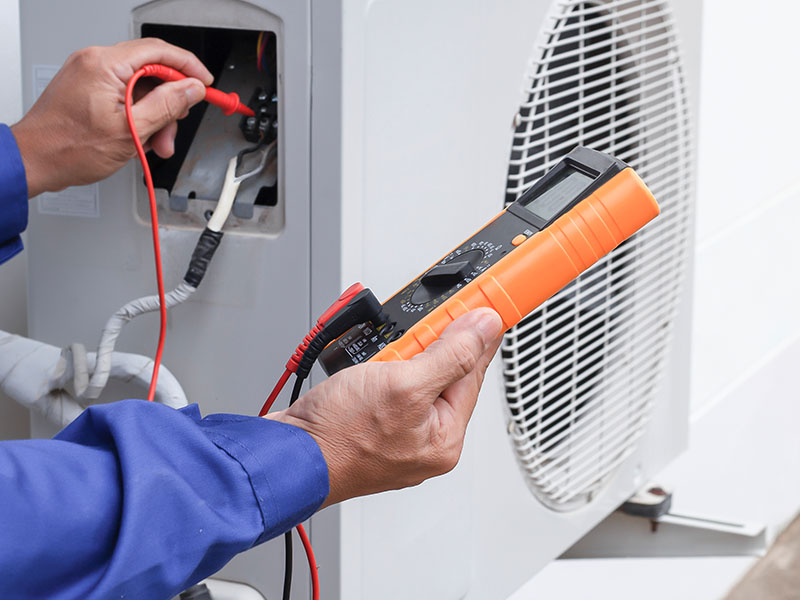
During a typical visit, a technician will inspect, clean, and test key components to ensure everything is functioning properly. This includes checking electrical connections, measuring system performance, and identifying any signs of wear.
Cleaning is a major part of the process. Dust and debris can accumulate on coils, fans, and other components, reducing efficiency. Removing this buildup helps restore proper airflow and improve overall system performance.
Technicians also check refrigerant levels, thermostat accuracy, and airflow balance. These adjustments ensure your system operates as efficiently as possible.
A standard tune-up often includes:
- Cleaning coils and internal components
- Inspecting electrical connections and controls
- Checking refrigerant levels and airflow
- Testing system performance and safety features
By addressing these areas, a professional tune-up helps prevent breakdowns, improve efficiency, and keep your home comfortable year-round.
Signs Your HVAC System Needs More Frequent Maintenance
While a twice-yearly schedule works for most homes, certain signs may indicate your system needs more frequent attention. Paying attention to these warning signs can help you avoid larger issues down the line.
Watch for these common indicators:
- Uneven heating or cooling
- Unusual noises during operation
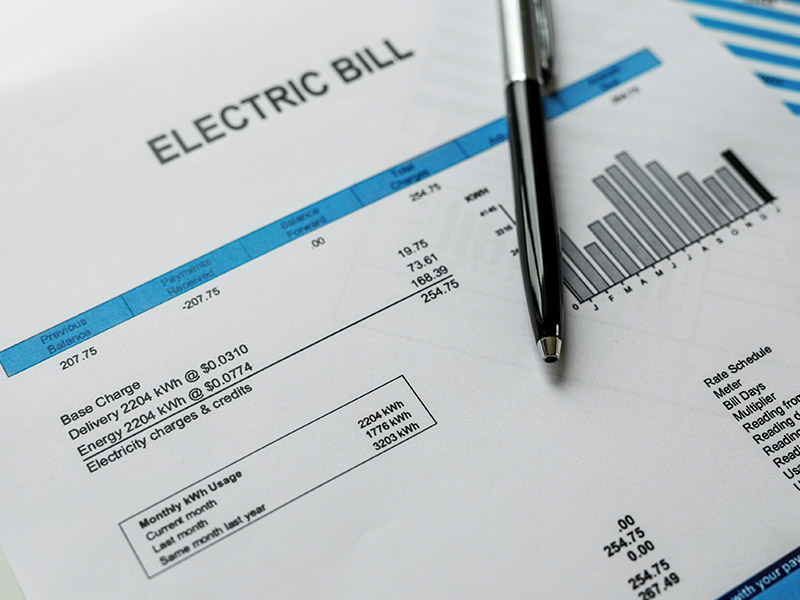
- Increased energy costs
- Reduced airflow from vents
If you experience any of these issues, scheduling an additional maintenance visit can help restore performance and prevent further damage.
How Regular Maintenance Extends System Lifespan
Your HVAC system is a long-term investment, and regular maintenance plays a major role in protecting that investment. Without proper care, components wear out faster, and the system may need to be replaced sooner than expected.
Routine maintenance helps reduce strain on your system by keeping all parts clean and functioning efficiently. When components operate smoothly, there is less stress on the system as a whole.
Preventive care also reduces the likelihood of major breakdowns. Addressing small issues early prevents them from escalating into costly repairs or system failures.
Over time, consistent maintenance can significantly extend the lifespan of your HVAC system. This means you get more value from your investment and avoid the expense of premature replacement.
By staying proactive, you ensure your HVAC system continues to deliver reliable comfort for years to come.
DIY Maintenance Tips Between Professional Visits
While professional HVAC maintenance handles the technical side, you still play an important role in keeping your system running efficiently between visits. Small, consistent actions can help reduce strain on your equipment and maintain steady performance throughout the year.
Focus on these simple habits:
- Replace your air filter regularly to prevent airflow restrictions
- Keep vents and registers open and unobstructed for proper circulation
- Clear debris like leaves and dirt from around your outdoor unit
- Watch for changes in airflow, noise, or system performance
These steps are quick to manage but make a meaningful difference in how efficiently your HVAC system operates. Combined with regular professional maintenance, they help you avoid unnecessary wear and keep your home comfortable year-round.
Keep Your HVAC System Running Strong Year-Round with Expert Maintenance
Maintaining your HVAC system in the North Bay’s mild climate is all about consistency. Even without extreme weather, regular use means your system still requires routine care to perform at its best. A twice-yearly maintenance schedule, combined with proactive attention to warning signs, helps ensure reliable comfort and efficiency.
Working with the right HVAC professional makes it easier to stay on track and avoid costly issues. Mountain House Mechanical helps you build a maintenance plan that fits your home and keeps your system running smoothly throughout the year. Our goal is to provide dependable service that protects your investment and maximizes performance.
Stay ahead of potential problems by scheduling your next HVAC maintenance visit today.