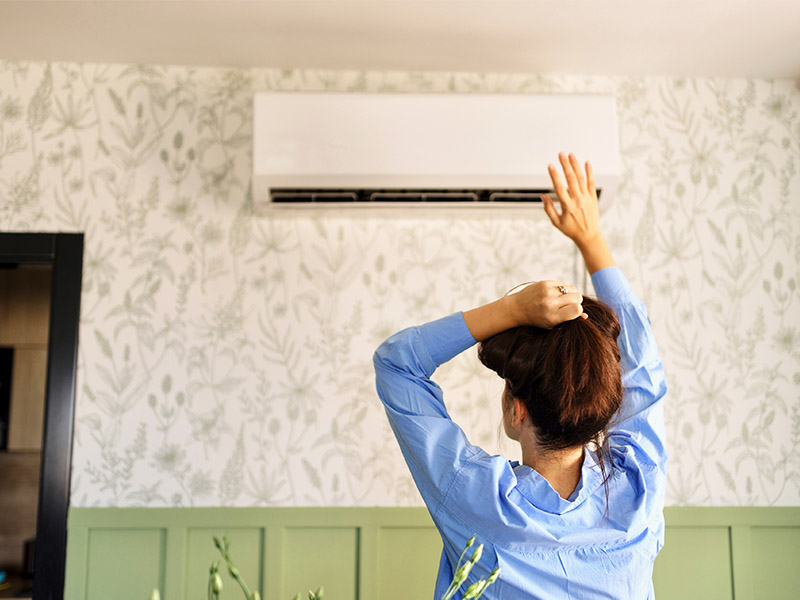
Your home should feel comfortable from one room to the next, but that isn’t always the case. When certain areas stay noticeably warmer than others, it often points to an underlying issue with your HVAC system that affects both your comfort and the efficiency of your HVAC equipment.
Uneven temperatures can result from poor airflow, inadequate insulation, damaged ductwork, or an aging HVAC system. Here at Mountain House Mechanical, we help homeowners identify the root cause and provide reliable solutions that restore indoor comfort.
Poor Airflow Is Often the Biggest Reason for Uneven Temperatures
If one room is always hotter than the others, poor airflow is usually one of the first things to investigate. Your HVAC system is designed to distribute conditioned air evenly throughout your home, but that only happens when air can move freely through the entire system. Even a minor restriction can make one room noticeably warmer than the rest of your house.
Start With the Simple Fixes
Begin by checking your supply and return vents. Furniture, rugs, curtains, or other household items may partially block airflow without you realizing it. Even a closed vent can reduce the amount of cool air reaching a room. While it may seem like closing vents in unused rooms will save energy, doing so often disrupts the balance of your HVAC system and can create additional hot spots throughout your home.
A dirty air filter is another common cause of poor airflow. As dust and debris build up, the filter becomes more restrictive, forcing your air conditioner to work harder while delivering less conditioned air to each room. Replacing your air filter regularly is one of the easiest ways to improve airflow, maintain energy efficiency, and extend the life of your HVAC system.
If these simple checks don’t solve the problem, the restriction may exist inside your ductwork or HVAC equipment. A professional inspection can identify hidden airflow issues before they lead to larger and more expensive repairs.
Your Home’s Layout and Sun Exposure Can Create Hot Spots
Sometimes the problem has nothing to do with your HVAC equipment. Your home’s design plays a major role in how heat moves throughout the house. Certain rooms naturally absorb more heat than others, making them more difficult to keep cool during warm weather.
Second-floor bedrooms are a common example because heat naturally rises. Rooms located directly beneath the attic often become much warmer during the afternoon when attic temperatures peak. Likewise, bedrooms above attached garages frequently experience higher temperatures because heat transfers from the garage below, especially if there is limited insulation.
The direction your windows face also matters. Rooms with large west-facing or south-facing windows receive hours of direct sunlight each day. As the sun shines through the glass, indoor temperatures gradually increase, forcing your HVAC system to work harder to maintain comfortable conditions. Older windows with worn weatherstripping or single-pane glass allow even more heat to enter.
Fortunately, several simple improvements can reduce solar heat gain. Installing blackout curtains, solar shades, or energy-efficient window coverings can dramatically reduce indoor temperatures. Sealing air leaks around windows and doors also prevents warm outdoor air from entering while helping conditioned air stay inside. Together, these upgrades improve comfort and reduce unnecessary strain on your HVAC system.
Insulation Problems Can Make Cooling Much More Difficult
Even the best air conditioner can’t overcome poor insulation. If your home continually absorbs outdoor heat while losing conditioned air, some rooms will remain warmer no matter how low you set the thermostat.
Heat Gain From the Attic
Your attic is one of the biggest sources of heat gain during the summer. Roofing materials absorb sunlight throughout the day, causing attic temperatures to climb well above the outdoor temperature. Without enough insulation separating the attic from your living space, that heat transfers directly into the rooms below.
Proper attic ventilation also plays an important role. Without adequate ventilation, heat becomes trapped in the attic, making it even more difficult for your insulation to keep living spaces cool. Improving attic insulation and ventilation together often delivers better comfort and greater energy savings than addressing only one of these areas.
Heat Loss Through Walls and Air Leaks
Exterior walls exposed to direct sunlight allow heat to move indoors if insulation has deteriorated or was never installed properly. Older homes are especially susceptible because insulation materials naturally settle and lose effectiveness over time.
Small air leaks can make insulation problems even worse. Gaps around windows, doors, plumbing penetrations, and electrical outlets allow conditioned air to escape while warm outdoor air enters your home. Although each leak may seem insignificant, together they can noticeably reduce your home’s energy efficiency and make it more difficult to maintain consistent indoor temperatures.
Improving insulation doesn’t just solve hot rooms. It also helps maintain more stable indoor temperatures, lowers utility bills, reduces wear on your HVAC system, and improves year-round comfort. If insulation deficiencies are contributing to uneven cooling, addressing them can provide lasting benefits long after the work is completed.
Hidden Ductwork Problems Can Prevent Cool Air From Reaching Every Room
Because ductwork is hidden behind walls, above ceilings, and inside attics, many homeowners overlook it when trying to solve uneven temperatures. However, damaged or poorly designed ducts are among the most common reasons one room stays hotter than the rest.
Small leaks often develop where duct sections connect. Instead of delivering conditioned air into your living space, those leaks allow cooled air to escape into the attic, crawl space, or inside walls. The farther a room is from the HVAC system, the more noticeable these losses become.
Flexible ducts can also become crushed, kinked, or disconnected over time. These restrictions reduce airflow to individual rooms while forcing your HVAC system to work harder to maintain the desired temperature. In some homes, ductwork was improperly designed during construction, resulting in rooms that never receive enough conditioned air.
Signs your ductwork may need attention include:
- One room never reaches the thermostat setting.
- Airflow feels noticeably weaker from certain vents.
- Energy bills continue to increase without a clear reason.
- You hear rattling, whistling, or other unusual sounds from the ductwork.
- Your HVAC system runs longer than it used to.
Return ducts are just as important as supply ducts. Your HVAC system depends on balanced airflow to operate efficiently. If warm air can’t return to the system properly, circulation becomes restricted, and cooling performance suffers throughout the home.
A professional duct inspection can uncover problems that aren’t visible during a basic walkthrough. Sealing leaks, repairing damaged duct sections, or improving airflow design often restores balanced temperatures while increasing your HVAC system’s overall efficiency.
Your HVAC System May No Longer Be Meeting Your Home’s Needs
Sometimes the source of uneven temperatures is the HVAC system itself. Even if your equipment still runs every day, it may no longer perform as efficiently as it once did.
Signs Your HVAC System Is Losing Efficiency
As HVAC systems age, components naturally wear down. Blower motors lose efficiency, evaporator coils collect dirt, refrigerant levels may become imbalanced, and electrical components begin to deteriorate. Each of these issues reduces cooling performance and makes it harder to maintain consistent temperatures throughout your home.
An improperly sized HVAC system can create similar problems. If your system is too small, it may run continuously without adequately cooling every room. If it’s too large, it may cool the thermostat location too quickly before conditioned air has circulated throughout the house. This short cycling also limits humidity removal, leaving your home feeling warmer than the thermostat indicates.
Thermostat placement can also affect comfort. When the thermostat is located near a naturally cool hallway or shaded area, it may signal the system to shut off before warmer rooms reach the desired temperature.
Routine HVAC maintenance helps identify these issues before they become major repairs. Regular inspections improve efficiency, extend equipment life, and help ensure every room stays comfortable throughout the cooling season.
When It’s Time to Call an HVAC Professional
Some uneven temperature issues can be resolved with simple maintenance, but others require a professional diagnosis. Ignoring persistent hot spots can lead to higher energy bills, reduced comfort, and unnecessary wear on your HVAC system.
It’s time to schedule an HVAC inspection if you notice:
- One room stays warmer than the rest throughout the cooling season.
- Replacing the air filter doesn’t improve airflow.
- Some vents produce much weaker airflow than others.
- Your HVAC system runs constantly or short cycles.
- Your energy bills continue to rise without an obvious explanation.
A professional HVAC inspection focuses on identifying the root cause instead of treating the symptoms. Technicians evaluate airflow, ductwork, insulation, thermostat performance, refrigerant levels, and overall system operation to recommend the most effective solution.
By resolving the underlying issue, you can improve comfort, reduce operating costs, extend the lifespan of your HVAC equipment, and enjoy more consistent temperatures throughout your home.
Trust Mountain House Mechanical to Solve Your Cooling Issues
A room that’s consistently hotter than the rest of your home is more than a minor inconvenience. It often signals issues with airflow, insulation, ductwork, or your HVAC system that can reduce comfort, increase energy costs, and place unnecessary strain on your equipment. Identifying the root cause is the first step toward restoring consistent temperatures throughout your home.
When you need a lasting solution, Mountain House Mechanical is here to help. Our team provides thorough HVAC inspections, expert repairs, preventative maintenance, and high-quality system replacements tailored to your home’s unique needs.
Contact us today to schedule your AC service and discover why homeowners trust us to deliver reliable indoor comfort, improved energy efficiency, and exceptional customer care.