If you’re looking for a more efficient way to heat and cool your home, you’ve likely come across heat pumps in your research. These systems are becoming increasingly popular among North Bay homeowners who want year-round comfort, lower energy bills, and a more environmentally friendly HVAC solution.
We work with homeowners every day at Mountain House Mechanical to evaluate whether a heat pump is the right fit for their space, climate, and long-term goals. Choosing the right system isn’t just about the equipment. It’s about how well that system performs in your specific home.
In this guide, you’ll learn exactly what a heat pump is, how it works, and whether it’s a smart investment for your North Bay property. You’ll also gain practical insights into performance, costs, and installation considerations so you can make a confident decision.
What Is a Heat Pump and How Does It Work?
A heat pump is an energy-efficient HVAC system that transfers heat instead of generating it. This key difference is what makes it so effective compared to traditional systems like furnaces.
During the winter, your heat pump pulls heat from the outside air and moves it inside your home. Even when it feels cold outside, there’s still heat energy available. In the summer, the system reverses the process by removing heat from your indoor air and releasing it outside. This allows you to maintain comfortable temperatures year-round with one system.
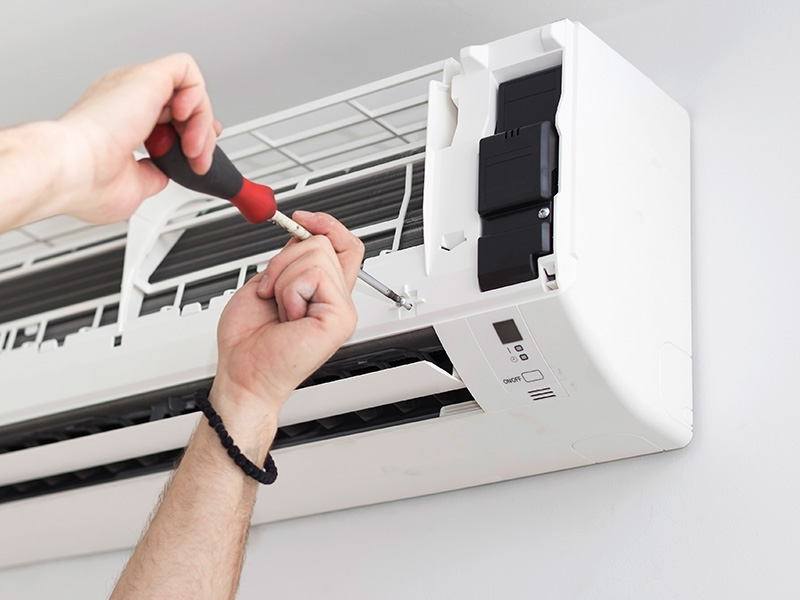
You’ll typically encounter three main types of heat pumps. Air-source heat pumps are the most common and work well in most homes. Ductless mini-split systems are ideal if your home doesn’t have ductwork or if you want zoned temperature control. Geothermal systems offer excellent efficiency but come with a higher upfront cost.
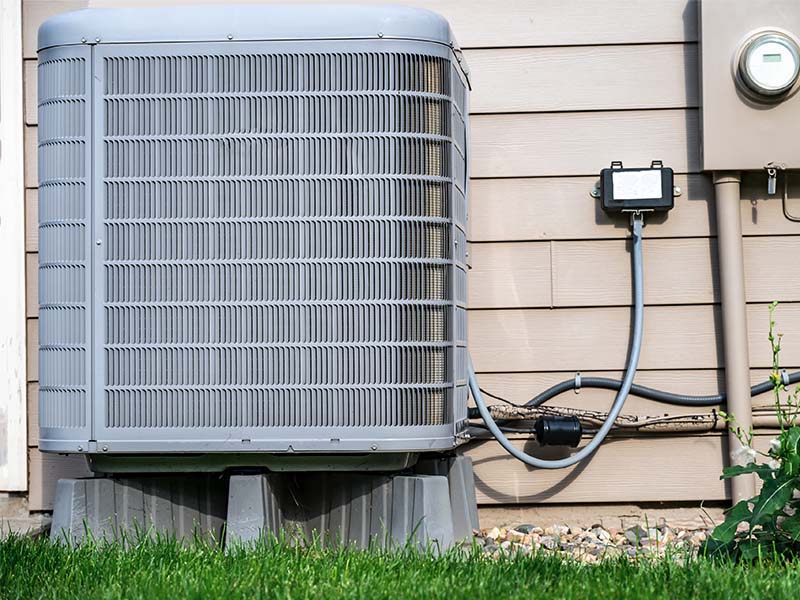
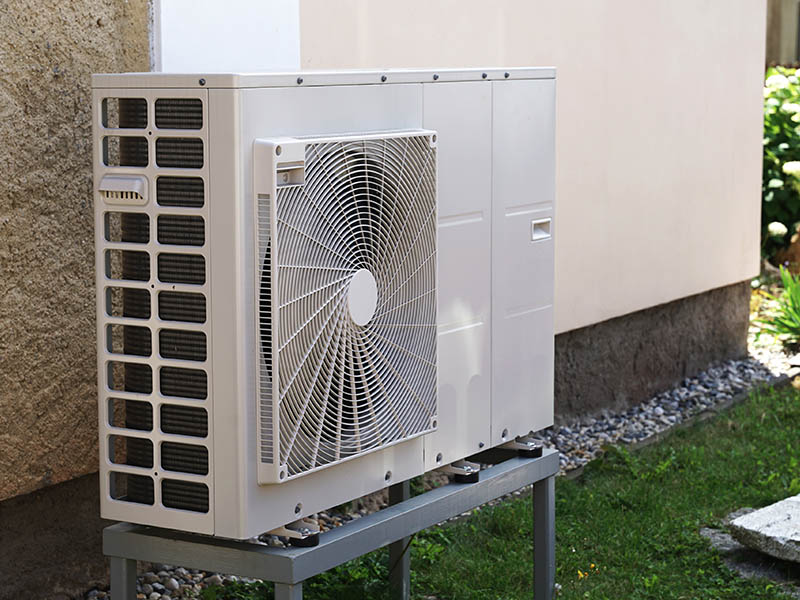
The system includes an outdoor unit, an indoor unit, and refrigerant lines that move heat between the two. Since it transfers heat instead of creating it, it uses less energy and operates more efficiently.
This simple process is why heat pumps have become a go-to solution for homeowners focused on efficiency and comfort.
Key Benefits of Installing a Heat Pump
One of the biggest advantages of a heat pump is its energy efficiency. Because it transfers heat instead of producing it, you can reduce your energy usage and lower your monthly utility bills over time.
You’ll also benefit from having a single system that provides both heating and cooling. This simplifies your HVAC setup and reduces the need for multiple units. Fewer systems can mean fewer maintenance concerns and less overall complexity.
Top Benefits of a Heat Pump
- Lower energy consumption and operating costs
- Heating and cooling in one system
- More consistent indoor temperatures
- Reduced environmental impact
- Compatibility with smart thermostats
Comfort is another major benefit. Many modern heat pumps use variable-speed technology, which allows them to adjust gradually instead of constantly turning on and off. This helps maintain steady temperatures and better humidity control.
If sustainability matters to you, a heat pump is a strong option. Since it runs on electricity and doesn’t burn fuel directly, it produces fewer emissions than traditional systems.
Heat Pump Performance in North Bay’s Climate
You might be wondering if a heat pump can handle the colder temperatures in the North Bay. This is a common concern, especially if you’re used to relying on a furnace.
Modern heat pumps are far more advanced than older models. Cold-climate systems are designed to operate efficiently even when temperatures drop below freezing. Many can still extract heat from the air in very cold conditions.
What Affects Cold Weather Performance?
- System type and efficiency rating
- Proper sizing for your home
- Quality of installation
- Insulation and air sealing
- Use of backup heating if needed
Performance depends heavily on proper installation. If your system isn’t sized correctly, it may struggle to keep your home comfortable or operate inefficiently.
Some homeowners choose to add a supplemental heating source for extra reliability during extreme cold. This hybrid setup ensures consistent comfort without overworking your system.
With the right setup, a heat pump can perform reliably even in colder climates like the North Bay.
Heat Pump vs Traditional HVAC Systems
When comparing heat pumps to traditional HVAC systems, the differences come down to efficiency, simplicity, and long-term value.
A traditional setup typically includes a furnace for heating and an air conditioner for cooling. That means more equipment, more maintenance, and potentially higher long-term costs.
A heat pump combines both functions into one system, which simplifies your setup and can reduce maintenance needs over time.
Heat Pump vs Furnace at a Glance
- Heat pump: provides both heating and cooling
- Furnace: heating only, requires separate AC
- Heat pump: more energy-efficient in moderate climates
- Furnace: stronger heating in extreme cold
- Heat pump: lower operating costs over time
In many cases, heat pumps offer better efficiency and lower energy consumption. However, your final decision should depend on your climate, energy costs, and long-term goals.
Installation Considerations and Cost Factors
Before installing a heat pump, you should evaluate your home’s current HVAC setup and energy efficiency. If you already have ductwork, installation may be more straightforward. If not, a ductless system could be the better option.
Installation costs can vary depending on several factors, but the long-term energy savings often help offset the initial investment.
Key Factors That Affect Installation Cost
- Size and layout of your home
- Type of heat pump system
- Existing ductwork or need for ductless setup
- Insulation and energy efficiency
- Complexity of installation
Proper insulation is especially important. If your home isn’t well sealed, your system will have to work harder, which reduces efficiency.
You should also explore rebates and incentives that support energy-efficient upgrades. These programs can make a heat pump more affordable up front.
Careful planning and professional installation will ensure your system delivers long-term performance and value.
Maintenance and Lifespan of a Heat Pump
Maintaining your heat pump is essential if you want it to perform efficiently and last as long as possible. The good news is that routine maintenance is simple and manageable.
You should regularly clean or replace your air filters to maintain proper airflow. Dirty filters can reduce efficiency and increase wear on your system.
Keeping the outdoor unit free of debris is also important. Leaves, dirt, and snow can block airflow and impact performance.
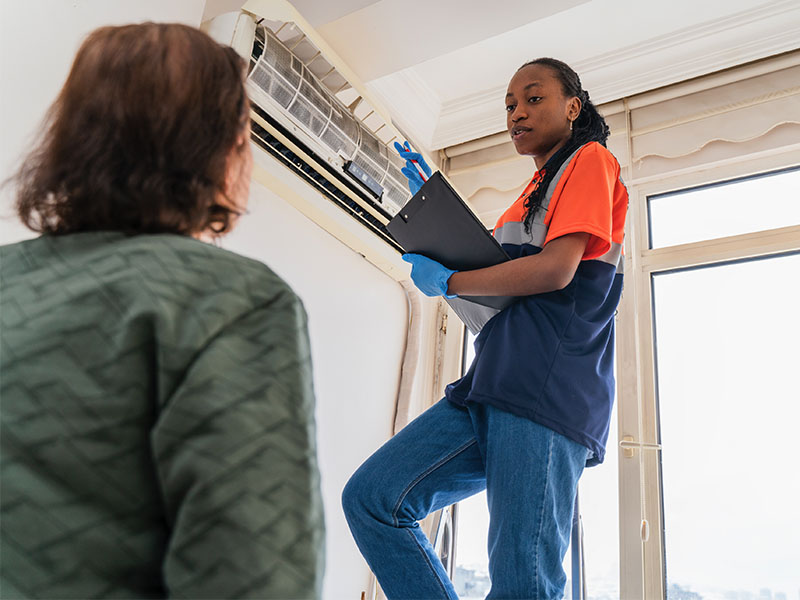
Scheduling annual professional maintenance is one of the best steps you can take. A technician will inspect your system, clean components, and check for potential issues before they become major problems.
Because heat pumps run year-round, they experience more consistent use than seasonal systems. With proper care, most systems last between 10 and 15 years.
Staying proactive with maintenance helps ensure reliable comfort and protects your investment over time.
Making the Right Choice for Your Home
Choosing a heat pump isn’t just about upgrading your HVAC system. It’s about creating a home that feels consistently comfortable while keeping energy use and long-term costs under control. When the right system is selected and installed properly, you’ll notice the difference not just in efficiency, but in how evenly and reliably your home is heated and cooled.
At the same time, every home comes with its own set of variables. Factors like layout, insulation, and daily usage all influence how well a system performs. That’s why taking a tailored approach matters.
We take that into account at Mountain House Mechanical by focusing on your specific needs from the start. By evaluating your home and understanding your goals, we help ensure your heat pump is sized, installed, and optimized for long-term performance.
If you’re considering a heat pump or looking to improve your home’s efficiency, now’s the right time to move forward. Contact Mountain House Mechanical today to schedule your consultation and take the next step toward a more comfortable, energy-efficient home.