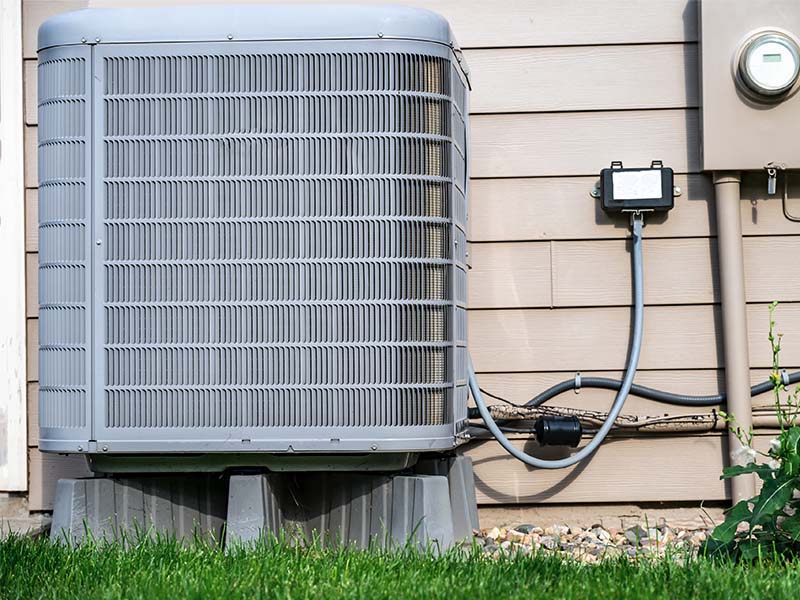
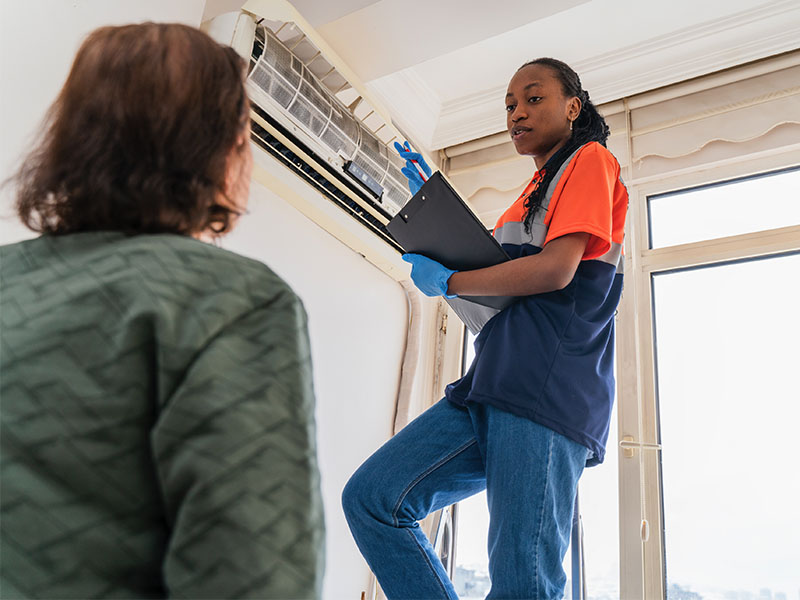
When planning a home renovation, most homeowners naturally focus on the features they will see and touch every day— updated floors, refreshed cabinetry, modern fixtures, and improved room layouts. These visual transformations are exciting and often serve as the centerpiece of a remodel. But behind every great renovation is something far more foundational: a well-integrated HVAC system.
At Mountain House Mechanical, we work closely with homeowners throughout the North Bay to ensure their renovation projects don’t overlook the critical role HVAC plays in the success of a remodel. When HVAC considerations are integrated early, the benefits are immediate and lasting: better comfort, improved air quality, higher energy efficiency, and protection of your investment.
If you’re planning a renovation—big or small—HVAC planning should be a central part of your design strategy, not an afterthought. Here’s why.
Why HVAC Matters During Renovation
Renovations change the way your home functions. When you move walls, convert spaces, create open floor plans, add square footage, or upgrade insulation and windows, you change the heating and cooling needs of your home. Your HVAC system, which was originally sized and positioned based on your home’s old layout, may no longer be able to properly support the new design.
Even a small architectural change can alter airflow patterns. Removing a wall may open up a space, but it also may create a void in your return airflow path. Enlarging a room increases the volume of air that needs temperature control. Adding a home office or converting a garage alters heat loads in ways your current equipment wasn’t designed to handle.
Ignoring HVAC needs during renovation often leads to discomfort: rooms that are too hot or too cold, inconsistent airflow, excessive humidity, and surprisingly high utility bills. More importantly, it can cause strain on your existing system, shortening the lifespan of your equipment.
By addressing HVAC early, you create a comfortable and efficient home from the moment your renovation is complete.
How Renovations Affect Airflow, Comfort, and Energy Use
Airflow is at the heart of HVAC performance. Even if your equipment is relatively new or sized properly for your original home, a renovation can disrupt the delicate balance of supply and return airflow.
For example, converting an attic into a living space introduces one of the most challenging environments for HVAC. Attics experience extreme temperature swings, and ductwork routed through them must be properly insulated and sized. A simple extension of existing ducts is rarely sufficient for year-round comfort.
Open concept renovations also create airflow complications. What used to be several smaller rooms with multiple vents may now become one large space requiring additional supply vents or larger duct runs to maintain balanced temperatures.
Energy usage is another major factor. If your system becomes undersized for your renovation, it will run longer cycles, struggle to meet temperature demands, and ultimately waste energy. If oversized, it may short-cycle, which can impact humidity control and reduce comfort.
Proper HVAC planning ensures these issues never have the chance to develop.
Common Renovation Mistakes When HVAC Is Overlooked
Many homeowners start their renovation with complete confidence in the design—then realize too late that HVAC should have been part of the initial planning. To avoid preventable problems, it helps to know the most common mistakes.
Common HVAC Mistakes Made During Renovations
- Assuming the existing HVAC system can handle added square footage or newly converted rooms
- Extending ductwork without performing airflow calculations or sizing adjustments
- Removing walls without considering how it impacts return air pathways
- Finishing a basement or attic without evaluating heating and cooling load requirements
- Ignoring ventilation needs in spaces like kitchens, bathrooms, and home gyms
- Postponing HVAC decisions until after drywall is installed, creating costly rework
Each of these mistakes can be avoided by consulting with an HVAC professional early in the design stage. Waiting too long almost guarantees avoidable expenses later.
The Opportunity for Better Energy Efficiency
A renovation provides one of the best opportunities to improve your home’s overall energy efficiency. When walls are open and spaces are being reconfigured, HVAC enhancements can be integrated with minimal disruption.
For example, upgrading insulation or installing high-efficiency windows changes the heat load of your home. Your HVAC system must be recalibrated or resized to match the improved redesign. Without recalibration, your system may become oversized, which can lead to short cycling and inefficient operation.
Renovations also make it easier to replace aging ductwork, seal existing airflow leaks, or reroute ducts for more efficient delivery. Many Mountain House homes also benefit from adding zones to the HVAC system, allowing different parts of the home to be heated or cooled independently. This is especially helpful with multi-level homes, large open spaces, room additions, or converted garages.
If your renovation includes adding modern smart home features, HVAC can be part of that evolution. Smart thermostats, variable-speed systems, and indoor air quality upgrades can all be seamlessly integrated during the construction phase.
HVAC Considerations for Popular Renovation Types
Not all renovations pose the same HVAC challenges. Each type comes with unique heating, cooling, and ventilation needs that influence system design.
Basement Renovations often require added dehumidification and balanced airflow to prevent stale or damp conditions.
Attic Conversions need dedicated heating and cooling solutions or properly sized duct extensions due to extreme temperature differentials.
Kitchen Upgrades may require improved ventilation, especially if the cooking space expands or the range hood is relocated.
Bathroom Expansions often require better exhaust strategies to prevent moisture buildup.
Home Additions nearly always require an updated load calculation, and in many cases a dedicated HVAC zone or new equipment.
Every renovation is unique, and HVAC should always be tailored to the new layout.
Indoor Air Quality: Often Forgotten, Always Important
Air quality plays a significant role in comfort, and renovations—especially those involving drywall, paint, flooring, and cabinetry—can introduce large amounts of dust and volatile organic compounds (VOCs) into your home. Integrating indoor air quality upgrades during your renovation can significantly improve the health of your home.
Options include advanced air filtration, smart air purifiers, whole-home humidifiers or dehumidifiers, and improved ventilation systems. Many homeowners in Mountain House choose to upgrade during renovations because their system is already being evaluated and adjusted.
Why Early Collaboration with HVAC Professionals Matters
Renovation success depends on good collaboration. Designers and builders determine the look of your home, while HVAC specialists ensure your home stays comfortable and efficient. When the HVAC team is brought in early, duct routes can be planned, equipment can be sized correctly, and vents and returns can be placed exactly where they belong.
Waiting until framing is complete—or worse, until drywall is up—creates avoidable conflict. Vents may end up in the wrong locations, duct runs may not fit inside newly constructed walls, and equipment may turn out to be undersized for the renovated space. Early collaboration prevents these challenges and ensures smooth project progress.
It also ensures compliance with Mountain House building codes, which can delay projects if mechanical updates are overlooked.
The Long-Term Benefits of Proper HVAC Integration
A renovation with proper HVAC integration doesn’t just look good on completion day—it performs well for years to come. Homes with well-planned HVAC design experience better temperature balance, lower utility bills, longer system lifespan, and more consistent indoor humidity levels. These homes also offer improved indoor air quality and comfort for everyone.
A renovation should enhance the beauty of your home, but it should also enhance your daily life. HVAC planning is essential to making that happen.
Two Things Every Homeowner Should Do Before Starting a Renovation
Before Renovation Work Begins:
- Consult with an HVAC professional during the design phase to determine system needs
- Confirm through a load calculation whether your current HVAC setup can support the renovated space
These two steps alone prevent the vast majority of HVAC complications we see during and after renovation projects.
Why Homeowners Trust Mountain House Mechanical
At Mountain House Mechanical, we specialize in helping homeowners incorporate HVAC upgrades into their renovation plans. Our team conducts thorough evaluations, performs precise load calculations, designs ductwork solutions, and ensures vents and returns are positioned for optimal performance.
We work closely with designers, contractors, and homeowners to integrate HVAC planning into the renovation timeline, preventing delays and avoiding costly mistakes. Whether you’re completing a room addition, converting a garage or attic, redesigning your layout, or upgrading finishes throughout your home, we help ensure the HVAC system supports your new vision perfectly.
Start Your Renovation With Confidence
The visible parts of a renovation matter—but the invisible systems matter just as much. With thoughtful HVAC integration, your remodeled home will stay comfortable, efficient, and healthy for years to come.
If you’re planning to renovate your Mountain House home, we’re ready to help you get every detail right. Contact Mountain House Mechanical today to schedule a consultation and ensure your HVAC system supports your renovation goals.