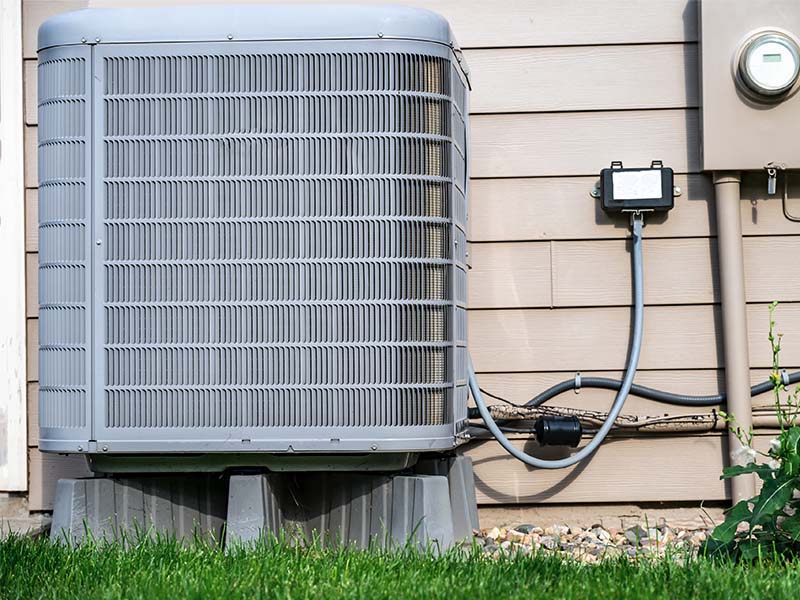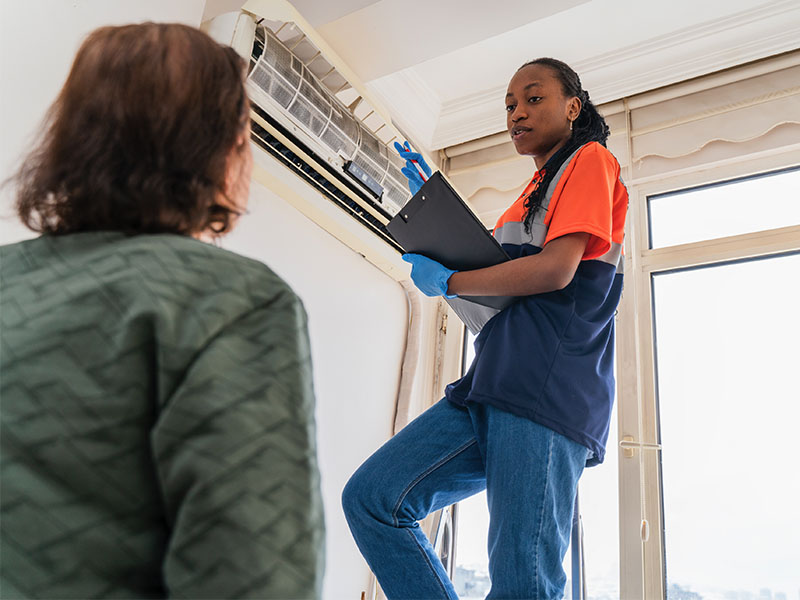
You rely on your heating and cooling system for year-round comfort, and in the North Bay Area, dependable performance is essential. Cool winters, warm summers, and changing coastal conditions place steady demands on HVAC equipment.
When problems arise, you may notice warning signs such as uneven temperatures, unusual noises, short cycling, or rising energy bills. At that point, you are faced with a critical question:
Should you invest in another repair, or is it time to replace the system entirely?
The answer depends on several factors, including system age, efficiency, repair history, and your plans for your home. This guide from Mountain House Mechanical explains how to evaluate HVAC repair versus replacement so you can choose the option that best protects your comfort and your investment.
Age of Your HVAC System and Expected Lifespan
The age of your HVAC system is often the most reliable starting point when deciding between repair and replacement. Most furnaces and air conditioners are designed to last between 12 and 20 years, depending on system quality, usage patterns, and maintenance consistency. If your system is still within this range and has been well cared for, repair is often a reasonable choice.
As systems age, internal components naturally wear down. Heat exchangers weaken, motors lose efficiency, and electrical parts become more prone to failure. Once your system approaches the end of its expected lifespan, even small problems can signal larger issues on the horizon. At that stage, repairs may restore temporary function but not long-term reliability.
In Sonoma County and the surrounding areas, HVAC systems often work throughout the year due to temperature fluctuations and humidity changes. This extended usage can accelerate wear if maintenance has been inconsistent. Evaluating system age alongside maintenance history helps you determine whether your equipment still has dependable years left or not.
Frequency and Cost of Repairs
The frequency of HVAC repairs is one of the clearest indicators of whether replacement should be considered. An occasional repair is expected for most systems and does not automatically justify replacement. However, recurring service calls often point to systemic problems rather than isolated failures.
If you are scheduling HVAC repairs multiple times a year, the costs can add up quickly. Replacing major components such as compressors, blower motors, or control boards can be expensive, especially on older systems where parts may be outdated or harder to source. Over time, repeated repairs can exceed the value of the system itself.
If you recognize several of the following patterns, replacement may be the more cost-effective solution:
- Multiple repairs within a short time frame
- Replacement of major components rather than minor parts
- Repairs that temporarily fix symptoms but not root causes
A commonly used benchmark is the “50 percent rule.” If a repair approaches 50 percent of the cost of a full system replacement, investing in new equipment often makes more financial sense.
Energy Efficiency and Rising Utility Bills
Energy efficiency is best understood through long-term operating cost, not system age alone. An HVAC system can continue running for years while quietly becoming more expensive to operate. Internal wear forces the system to work harder to maintain temperature, increasing energy demand without improving comfort.
In this situation, the decision is less about fixing what’s broken and more about evaluating whether continued operation still makes financial sense. Comparing annual energy costs against projected savings from a newer system gives you a clearer, numbers-based way to decide how long it is reasonable to keep repairing existing equipment.
Comfort Issues and System Performance
Comfort problems tell a different story than efficiency. Instead of showing up on a utility bill, performance issues appear in how your home feels from room to room. Uneven temperatures, delayed response to thermostat adjustments, and inconsistent airflow point to limitations in how the system distributes conditioned air.
Some performance issues are isolated and correctable. Others are the result of a system design that no longer matches your home’s needs. As HVAC systems age, their ability to respond smoothly to changing demand declines, even when individual parts are replaced.
Performance-based issues often look like:
- Rooms that never reach the desired temperature
- Frequent cycling that disrupts comfort
- Audible strain during normal operation
In these cases, the question is not whether the system works, but whether it can still regulate comfort effectively. If temperature control remains inconsistent despite repairs, the system may no longer be capable of delivering uniform comfort throughout your home.
Indoor Air Quality and Health Considerations
Indoor air quality operates independently from temperature control. You can feel warm or cool while still breathing air that carries excess dust, allergens, or moisture. HVAC systems influence air quality through filtration, airflow balance, and humidity management, all of which degrade over time.
Air-quality-related complaints often develop gradually. Dust accumulates faster, odors linger longer, or allergy symptoms become more noticeable indoors than outdoors. While component repairs can improve airflow or filtration temporarily, they do not change the system’s baseline ability to manage airborne particles.
When air quality becomes a concern, the evaluation should focus on what the system is capable of filtering and controlling—not simply whether it turns on and off. In homes with respiratory sensitivities, pets, or humidity challenges, system capability matters more than mechanical condition alone.
Environmental Impact and Refrigerant Concerns
Environmental responsibility is an increasingly important consideration for homeowners in the North Bay Area. Older HVAC systems often rely on refrigerants that are being phased out due to environmental regulations. As availability decreases, repairs involving refrigerant handling can become more expensive and less practical.
In addition to refrigerant concerns, older systems generally consume more energy, increasing emissions and overall environmental impact. Replacing an aging HVAC system with a modern, energy-efficient model reduces energy usage while improving performance.
Long-Term Value and Home Investment
Your HVAC system is one of the most significant mechanical investments in your home. When weighing repair versus replacement, it’s important to consider how your decision affects long-term value.
Homes with aging or unreliable HVAC systems may face negotiation challenges or delayed sales. Replacing your system demonstrates proactive maintenance and provides reassurance to potential buyers. Even if you are not planning to sell, long-term value still matters.
A reliable, efficient HVAC system offers predictable operating costs, fewer emergency repairs, and consistent comfort. While repairs may appear more affordable upfront, replacement often delivers greater overall value by reducing maintenance needs and improving system reliability over time.
When HVAC Repair Makes Sense
Despite the advantages of replacement, there are situations where HVAC repair is the right decision. If your system is relatively new, energy-efficient, and has a strong maintenance history, repairing a specific component can be an effective way to restore performance.
Repair may be appropriate if:
- The system is under 10 years old
- The issue involves a minor or isolated component
- The system has a history of reliable performance
Repair can also make sense if you plan to move in the near future and want to maintain functionality without making a major investment. The key is ensuring the repair addresses the root cause rather than delaying inevitable failure. A professional evaluation helps determine whether repair offers this type of lasting value.
How Mountain House Mechanical Helps You Decide
Deciding between HVAC repair and replacement is ultimately about clarity, not pressure. Once you understand how your system is performing today and what it will realistically deliver in the years ahead, the right path becomes easier to see. The goal isn’t to choose the least expensive option in the moment, but the one that best supports long-term results.
Mountain House Mechanical provides the level of clarity you need when making these decisions through our straightforward system evaluations and practical recommendations. If you are unsure which direction makes sense for your home, reach out to us today. We’re ready to help guide you towards HVAC solutions that work for you.