Living in Marin County means enjoying cool ocean breezes, dramatic coastlines, and a temperate climate that feels comfortable most of the year. While these conditions enhance daily life, they also introduce environmental factors that quietly affect your HVAC system. Coastal air carries salt, moisture, and airborne particles that place added stress on heating and cooling equipment, often leading to premature wear and efficiency loss.
You may notice subtle changes over time, such as rising energy bills, uneven temperatures, or the need for more frequent repairs. In many cases, these issues are not caused by poor equipment or improper use, but by continuous exposure to coastal conditions. HVAC systems in marine climates face challenges that inland systems rarely encounter, and they require a more specialized approach to maintenance and design.
Mountain House Mechanical works with homeowners across Marin County who experience these exact problems. We see how coastal air impacts HVAC systems at every stage of their lifespan. Understanding what causes these issues allows you to make informed decisions, protect your investment, and maintain consistent indoor comfort. The sections below explain how coastal air affects HVAC systems and what steps you can take to reduce long-term damage.
Understanding Coastal Air Conditions in Marin County
Coastal air in Marin County has several defining characteristics that directly influence HVAC performance. Salt content, elevated humidity, and temperature variability all play a role in how systems operate and age. Even homes located miles from the shoreline are affected, as marine air travels inland through wind patterns and fog.
Salt particles are especially problematic because they are microscopic and persistent. These particles settle on outdoor HVAC components and remain there unless removed. Salt attracts moisture, creating a corrosive environment that accelerates metal deterioration. Over time, this weakens structural components and reduces system efficiency.
Humidity is another constant factor. Morning fog and marine layers keep moisture levels elevated, particularly during cooler parts of the day. Your HVAC system must manage both temperature and moisture, increasing runtime and overall strain. Repeated shifts between cool, damp mornings and warmer afternoons also cause expansion and contraction within system components.
These conditions combine to create an environment that is far more demanding than it appears on the surface. HVAC systems in Marin County are exposed to stressors that require thoughtful system selection and ongoing care. Recognizing how coastal air behaves helps explain why maintenance strategies need to be adapted for this region.
Salt Air Corrosion and Its Impact on HVAC Components
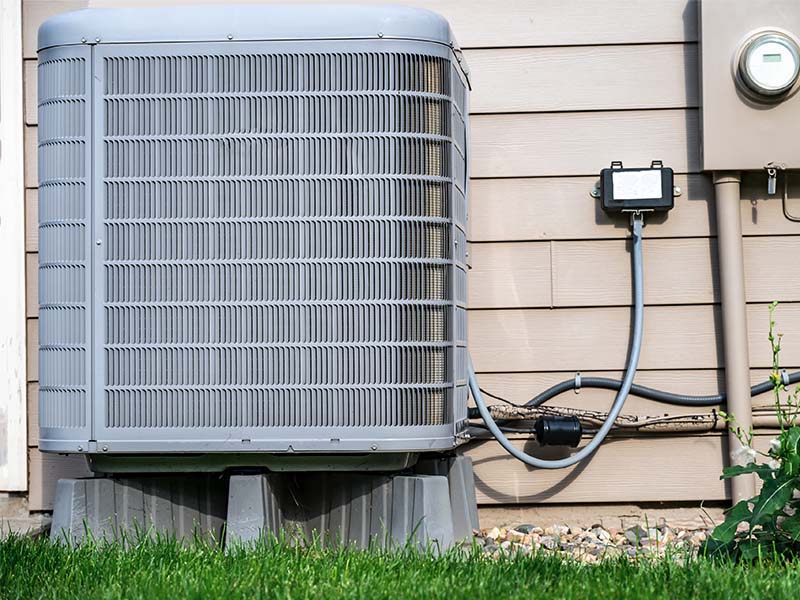
Salt air corrosion is one of the most damaging effects of coastal environments on HVAC systems. When salt settles on metal surfaces, it draws moisture from the air and triggers electrochemical reactions that speed up corrosion. Outdoor condenser units are especially vulnerable due to constant exposure.
As corrosion develops, system efficiency declines. Heat transfer becomes less effective, forcing your HVAC system to work harder to achieve the same level of comfort. This added strain increases wear on the compressor and other moving parts, often leading to earlier system failure.
HVAC Components Most Vulnerable to Salt Air
- Condenser coils responsible for heat exchange
- Compressor housings and mounting brackets
- Fan motors and fan blades
- Electrical terminals and contactors
- Fasteners, screws, and protective panels
Electrical components are particularly sensitive. Salt residue on electrical connections can cause intermittent failures that are difficult to diagnose. You may experience sporadic shutdowns, inconsistent cooling, or unexplained system errors.
Corrosion rarely causes immediate failure. Instead, it weakens components gradually until performance suffers or parts fail unexpectedly. In coastal climates, corrosion-resistant materials, protective coatings, and routine cleaning are critical. Addressing corrosion early helps extend system lifespan and reduces the likelihood of costly emergency repairs.
Moisture, Humidity, and Indoor Air Quality Challenges
Moisture is another significant factor influencing HVAC performance near the coast. Elevated humidity levels force your system to remove excess moisture while maintaining temperature, increasing runtime and energy use. When humidity is not managed effectively, comfort and air quality suffer.
Moisture accumulation inside HVAC components creates ideal conditions for mold and mildew growth. This often leads to musty odors and increased allergy symptoms. Over time, these issues can compromise indoor air quality and affect your health.
Signs Coastal Humidity Is Affecting Your HVAC System
- Persistent musty or damp odors indoors
- Uneven cooling or clammy air
- Visible condensation near vents or equipment
- Increased allergy or respiratory symptoms
- Frequent or extended system cycles
Condensation is another common concern. When warm indoor air contacts cooler surfaces inside the system, water droplets form. If drainage systems are clogged or poorly designed, moisture can collect in areas not intended to handle water, leading to damage in surrounding materials.
Humidity-related issues often go unnoticed until they become disruptive. Managing moisture requires proper system sizing, airflow balance, and effective drainage. Addressing humidity proactively protects both your HVAC equipment and the air quality inside your home.
Efficiency Loss and Higher Energy Costs Near the Coast
As salt and moisture gradually affect HVAC components, efficiency loss becomes unavoidable without intervention. Corroded coils, restricted airflow, and excess humidity reduce your system’s ability to operate efficiently. This leads to longer run times, uneven temperatures, and rising energy bills.
Salt buildup on condenser coils restricts airflow and heat exchange. The system compensates by working harder, increasing energy consumption and mechanical stress. Over time, this reduces reliability and increases the risk of breakdowns during peak usage periods.
Humidity further compounds efficiency problems. Removing moisture requires additional energy, especially when the system is not optimized for coastal conditions. You may notice that your home feels uncomfortable even when the thermostat setting appears correct.
Efficiency decline often happens gradually, making it easy to overlook. In coastal environments, environmental exposure accelerates this process. Early intervention through maintenance and optimization helps restore performance, reduce energy costs, and maintain consistent comfort throughout the year.
Preventive Maintenance Strategies for Coastal HVAC Systems
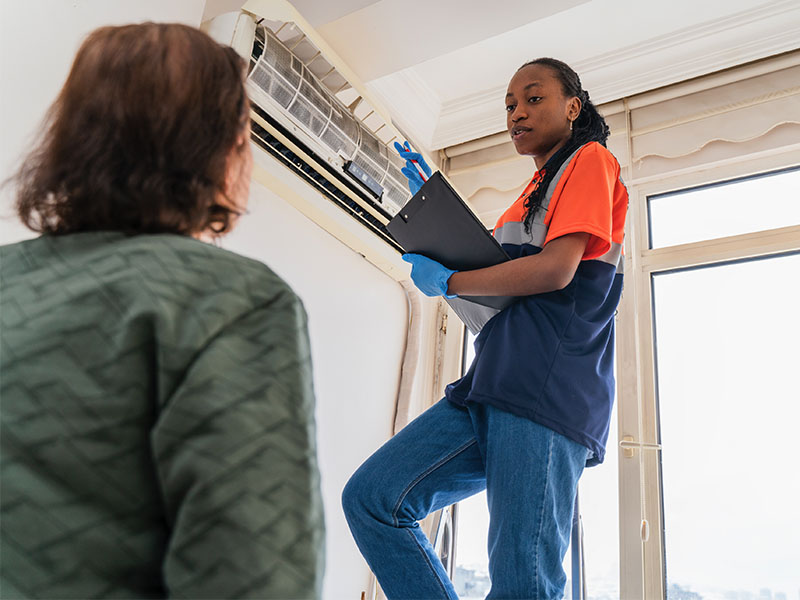
Preventive maintenance is essential for HVAC systems exposed to coastal air. Standard maintenance schedules may not be sufficient in environments with high salt and moisture exposure. More frequent and specialized service helps prevent long-term damage.
Coastal-Specific HVAC Maintenance Priorities
- Regular cleaning of condenser and evaporator coils
- Application of anti-corrosion coatings on outdoor components
- Inspection and tightening of electrical connections
- Clearing and testing condensate drain lines
- Airflow balancing and duct inspections
Routine inspections allow early detection of corrosion, moisture buildup, and electrical issues. Addressing these problems before they escalate reduces repair costs and extends system lifespan.
Airflow optimization is another key factor. Clean ductwork and proper system balance improve humidity control and efficiency. In coastal climates, maintenance is not just about fixing issues as they arise. It is about preventing them before they affect comfort or performance.
Choosing the Right HVAC System for Coastal Environments
System selection plays a major role in long-term HVAC performance near the coast. Not all systems are designed to withstand salt exposure and elevated humidity. Choosing the right equipment reduces maintenance needs and improves durability.
Corrosion-resistant materials, such as coated coils and stainless-steel hardware, provide added protection. Variable-speed systems offer improved humidity control by adjusting output to match real-time conditions, reducing wear caused by constant cycling.
Proper sizing is especially important. Oversized systems cool too quickly without removing sufficient moisture, while undersized systems run excessively and wear out faster. A properly sized system maintains balanced comfort and efficiency.
Installation quality also matters. Outdoor unit placement, airflow clearance, and drainage design all influence how well your system handles coastal exposure. Equipment designed and installed for marine environments performs more reliably and lasts longer.
Protecting Your HVAC System in Marin County
Coastal air in Marin County presents unique challenges for HVAC systems. Salt air corrosion, moisture buildup, and humidity-related strain all contribute to efficiency loss and shortened equipment lifespan. Without a proactive approach, these factors can lead to higher energy costs, reduced comfort, and frequent repairs.
Understanding how coastal conditions affect your HVAC system allows you to take control. Preventive maintenance, proper system selection, and humidity management all play essential roles in protecting your investment. Coastal environments require specialized strategies, not generic solutions.
Mountain House Mechanical brings local expertise and a deep understanding of Marin County’s coastal climate to every project. We focus on long-term performance, energy efficiency, and reliable comfort tailored to your home. Our experience allows us to design and maintain HVAC systems that stand up to coastal conditions.
If you want to extend the life of your HVAC system and maintain consistent indoor comfort, now is the time to act. Schedule a professional evaluation with Mountain House Mechanical and experience HVAC solutions designed for coastal living.